5 Tips for Managing Travel Anxiety During the Holidays
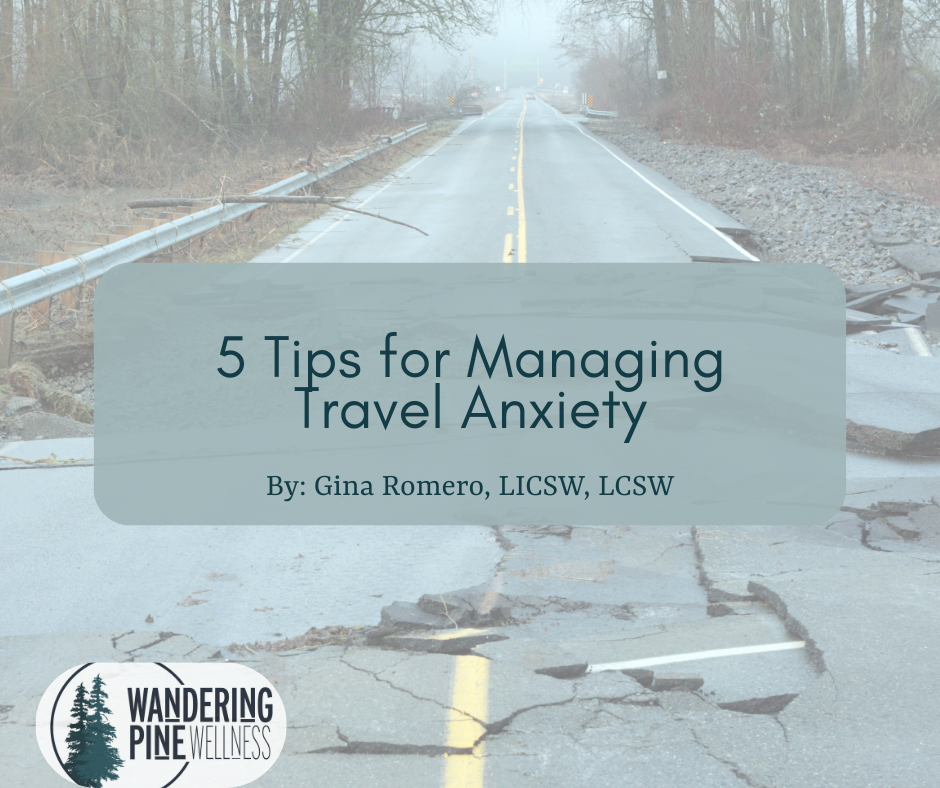
By: Gina Romero, LICSW, LCSW
Practical strategies for managing travel-related anxiety this holiday season.
Holiday travel can bring up a complicated mix of emotions. There may be excitement about seeing loved ones or returning to your hometown, alongside dread about crowded airports, long drives, or unpredictable winter weather. For many people, travel anxiety doesn’t mean something is “wrong.” It means your nervous system is responding to uncertainty, lack of control, and disruption to routine.
This year, travel anxiety may feel especially intense in Washington State. Heavy rain, snow in the mountain passes, flooding concerns, and winter driving conditions have made travel feel less predictable. Whether you’re flying out of Sea-Tac or driving from Tacoma to Wenatchee, it’s normal to feel stressed about traveling right now. The following tips can help you support yourself in realistic, compassionate ways, whether you’re traveling by air, by car, or both.
1. Prepare Early to Reduce the Unknown
Uncertainty is one of the biggest triggers for anxiety. When your brain doesn’t have enough information, it often fills in the gaps with worst-case scenarios. Preparing early helps reduce that sense of the unknown and signals safety to your nervous system.
If you’re driving, checking weather forecasts, road conditions, and mountain pass reports ahead of time can help you plan routes and travel windows that feel more manageable. If you’re flying, signing up for flight alerts or downloading your airline’s app can keep you informed about delays or changes without needing to constantly check.
Your preparation might also include:
Reviewing road or airport conditions the day before travel
Letting yourself make flexible plans instead of rigid ones
Mentally rehearsing how you’ll respond if plans change
2. Give Yourself Extra Time
Time pressure is one of the fastest ways anxiety escalates. ADHDers know this well, but when you’re rushing, even minor delays can feel overwhelming, especially during winter travel when weather or traffic can slow things down unexpectedly. Giving yourself extra time makes the entire experience more manageable. Leaving earlier than necessary, planning for slower driving conditions, or arriving at the airport with time to spare can reduce that constant sense of urgency. Extra time also gives you space to pause, eat, hydrate, stretch, or simply breathe. When time isn’t working against you, your body has more room to stay regulated, even if something doesn’t go according to plan.
3. Make a Weather-Aware Backup Plan
Winter weather can shift quickly, and pretending it won’t affect travel often increases anxiety rather than reducing it. Rain, snow, flooding, and mountain conditions can impact both car and air travel with little notice. Make a plan with weather in mind. This might mean packing extra layers, blankets, snacks, and water for a road trip. For air travel, it could look like knowing your airline’s rebooking policies or having flexibility around travel dates if possible.
Even small steps, like saving road condition websites or airline contact information, can help you feel more prepared. Having a backup plan means you’re ready if plans shift.
4. Practice Grounding When Anxiety Shows Up
Travel anxiety often shows up physically before we fully recognize it mentally. You might notice a racing heart, shallow breathing, tense shoulders, or a general sense of unease. Grounding techniques can help bring your nervous system back into the present moment.
Some options to try during travel include:
Slow, steady breathing for one to three minutes
Notice your surroundings by naming what you can see or hear. Remember playing “I spy” as a kid? Playing that game can actually provide a great distraction from anxiety.
Listening to calming music, a familiar podcast, or a guided meditation
When you’re not actively traveling, you might also consider working with an EMDR therapist to get to the root of some of your travel anxiety. Especially if your anxiety shows up physically.
5. Shift From “Getting There” to “Being With Yourself”
When anxiety is high, travel can feel like something to endure. The focus becomes getting to the destination as quickly as possible so the discomfort can end. Gently shifting your mindset can reduce some of that pressure. This might mean allowing yourself breaks during a long drive, creating comfort at the airport with familiar items, or reminding yourself that it’s okay if travel feels hard. Self-compassion can make a meaningful difference when things feel out of your control.
5.5 Travel Comfortably
Since many of our clients have hEDS, I also want to mention the importance of traveling comfortably. You can read our blog about traveling comfortably with hEDS here: https://www.wanderingpinewellness.com/blog/tips-for-traveling-with-heds
A Gentle Note About Support
If travel anxiety feels especially heavy this season, you don’t have to navigate it alone. Therapy can offer a supportive space to explore fear around safety, loss of control, past travel experiences, or the way anxiety shows up in your body.
At Wandering Pine Wellness, we offer therapy for individuals navigating anxiety, stress, trauma, life transitions, and the emotional impact of uncertainty. Our work often focuses on helping clients understand their nervous system, develop grounding and coping tools, and build a more compassionate relationship with themselves.
If you’re interested in learning more or would like to schedule an appointment, we invite you to reach out and connect with our team. We’re here to meet you with care, understanding, and support.
Closing Thoughts
Travel anxiety during the holidays is incredibly common, especially with winter weather impacting travel across Washington State. You deserve care and patience, not just at your destination, but throughout the journey itself.
Safe travels this holiday season, wherever the road or runway takes you.

Gina Romero is a licensed therapist therapy to those in Washington, Nevada, and Colorado. She understands how anxiety can show up in everyday life, including during travel, transitions, and periods of uncertainty. In her clinical work,
Gina works with individuals who may feel overwhelmed, burned out, or stuck, helping them build skills to feel more grounded and supported, using EMDR. Learn more about Gina here: