
Sleep Hygiene: 10 Proven Tips to Improve Sleep Quality and Fall Asleep Faster
By: Kerry McCarthy, LMHC, LPC, CPC, LAC
Sleep hygiene refers to the habits, routines, and environmental factors that support consistent, high-quality sleep. It’s not just about “getting more sleep” but rather creating the conditions your brain and body need to fall asleep, stay asleep, and wake up feeling restored. For many adults, especially those managing stress, demanding schedules, or irregular routines, sleep hygiene is often the missing piece. Sleep and mental health are closely connected. When sleep is disrupted, it can impact:
Mood and emotional regulation
Anxiety levels
Focus and decision-making
Stress tolerance
Poor sleep can make everything feel harder. For many people, improving sleep hygiene is one of the first and most effective steps toward feeling more stable, clear, and grounded.
Signs Your Sleep Hygiene May Need Improvement
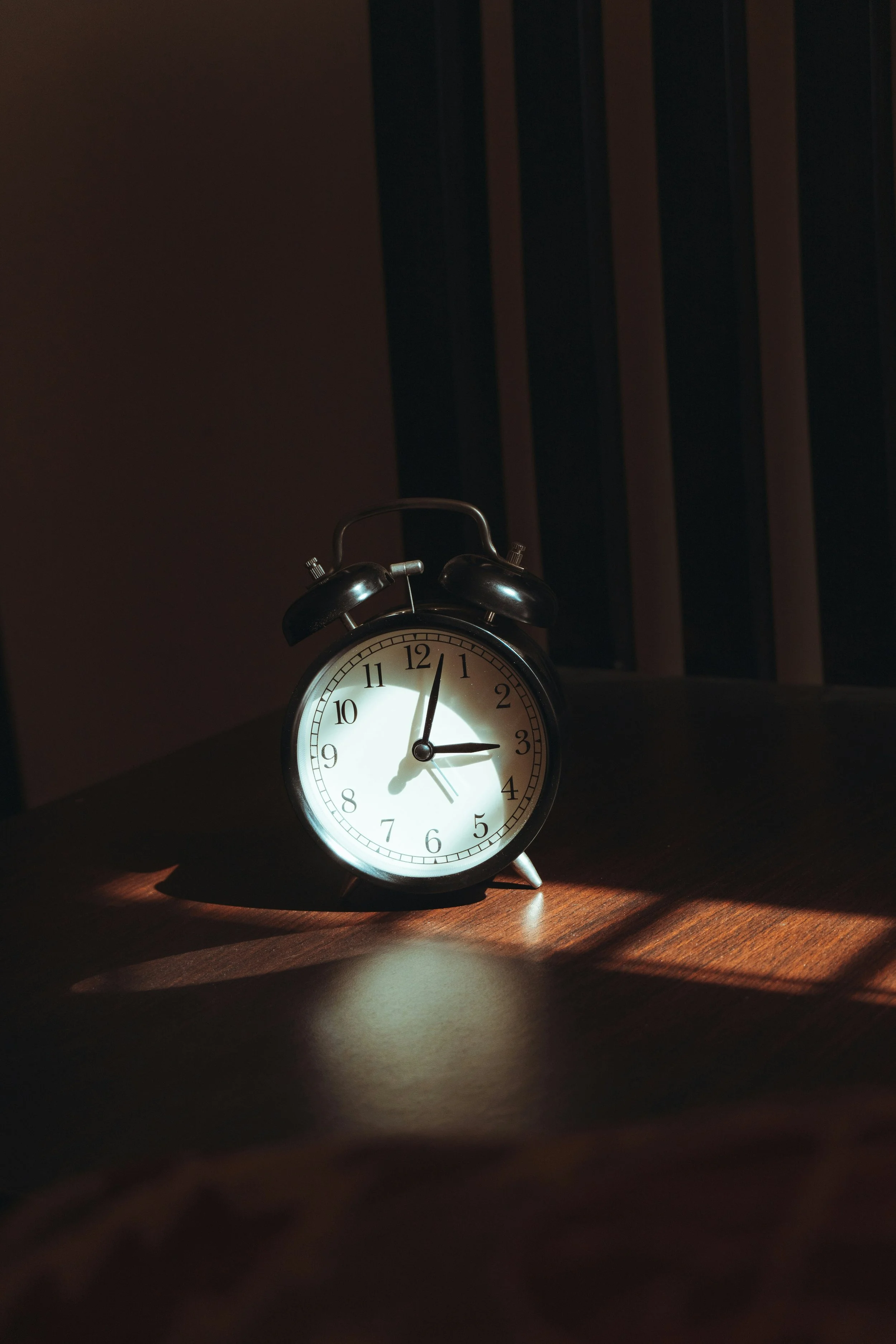
You might benefit from improving your sleep habits if you:
Struggle to fall asleep at night
Wake up frequently or too early
Feel tired even after a full night of sleep
Rely on your phone, TV, or distractions to fall asleep
Feel anxious or restless at bedtime
10 Sleep Hygiene Tips to Improve Sleep Quality
These are practical, evidence-based strategies you can start implementing right away.
1. Keep a Consistent Sleep Schedule
Go to bed and wake up at the same time every day, even on weekends. This helps regulate your body’s internal clock and makes it easier to fall asleep naturally.
2. Create a Wind-Down Routine
Your brain needs time to transition from “day mode” to “sleep mode.”
Try:
Reading
Stretching
Taking a warm shower
Listening to calming music
Consistency matters more than what you choose.
3. Limit Screen Time Before Bed
Phones and screens emit blue light, which can interfere with melatonin production (the hormone that helps you sleep). Try to avoid screens at least 30–60 minutes before bed.
4. Make Your Sleep Environment Work for You
Your bedroom should signal rest.
Focus on:
Cool temperature
Minimal light
Low noise (or white noise if helpful)
Comfortable bedding
5. Reduce Caffeine and Alcohol Intake
Caffeine can stay in your system longer than you think, and alcohol may help you fall asleep but often disrupts sleep later in the night.
6. Get Morning Sunlight Exposure

Natural light helps regulate your circadian rhythm. Even 10–15 minutes of sunlight in the morning can help your body know when to be awake and when to wind down later.
7. Use Your Bed Only for Sleep (and Intimacy)
Try to avoid working, scrolling, or watching TV in bed. This helps your brain associate your bed with sleep, not stress or stimulation.
8. Don’t Force Sleep
If you can’t fall asleep after about 20 minutes, get up and do something low-stimulation like reading, listening to calm/relaxing music, or doing a puzzle in dim lighting until you feel sleepy. Lying in bed awake can increase frustration and anxiety around sleep.
9. Manage Stress Before Bedtime
Racing thoughts are one of the biggest barriers to sleep.
Consider:

Journaling
Writing a to-do list for the next day
Practicing breathing exercises
10. Be Mindful of Irregular Schedules
For those working late hours, shift work, or high-demand jobs consistency may be harder but even small routines can help stabilize sleep over time.
Sleep Hygiene and Anxiety
Many people struggle with sleep not because they don’t feel tired but because their mind is still active. At night, when distractions are gone, your brain often tries to:
Process the day
Work through stress
Anticipate future concerns
This is why improving sleep hygiene often needs to be paired with addressing underlying stress or anxiety, not just changing habits.
Sleep Hygiene in Real Life Means Focusing on Progress Over Perfection
You don’t need a perfect routine to sleep better. Even small changes like going to bed at a consistent time or reducing screen use can make a noticeable difference over time. The goal isn’t perfection. It’s creating enough consistency and support for your brain to finally rest.
Looking for Support with Sleep?
If sleep continues to feel like a struggle, you don’t have to figure it out alone. Therapy can help you understand what’s keeping your mind active at night and create a plan that actually works for your life.
